Round Robin or Knockout: What Each Format Rewards
Round robin or knockout? See how each format shapes qualification, recovery and risk, then choose a competition structure that fits its purpose.

Round robin or knockout: which format tells you more about a team’s route through a competition? A round robin lets results build across a sequence of matches; a knockout makes each tie a contest to stay in the event. The format changes what teams must manage, but it does not rank the formats—or the teams—by overall quality.
How the routes differ
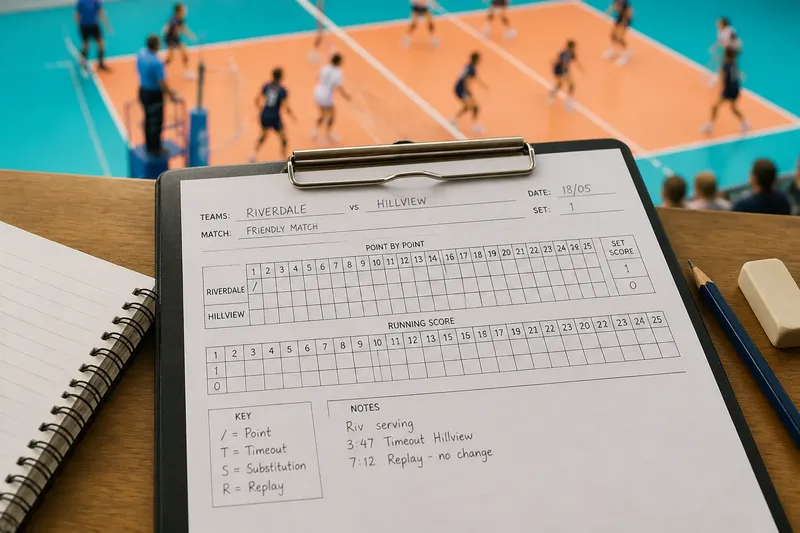
In a round robin, entrants meet some or all of the others in their group or division. Results accumulate in a table, and the rules specify how points, ties and qualification places are decided. A team can lose a match and remain able to progress, because later results still matter.
In a knockout, a loss usually ends an entrant’s run. A tournament may use single-match ties, two-leg ties settled across home and away fixtures, or a bracket that adds a third-place match. The defining feature is elimination: each round reduces the field until a winner remains.
Some competitions combine the two. Teams might first play a group stage, then enter a knockout bracket. In that design, the opening phase rewards consistency across fixtures, while the later phase rewards winning each elimination tie. Check where qualification ends and elimination begins before judging a team’s route.
What each format rewards
A round robin rewards accumulation. Teams must keep producing useful results across a sequence, including after a setback, and a strong start can create breathing room. At the same time, a late slip can matter if the table is tight or tie-break rules favour a rival.
Knockout competition rewards survival in each decisive encounter. A team may progress after a difficult performance if it wins the tie, while a strong side can be removed by one poor day, a narrow defeat or an opponent’s well-timed display. That volatility is a feature of the route, not evidence that the winner is unworthy.
A round robin is like a running scorecard: every result adds to the record. In a knockout, the next tie decides whether a team continues, so a single result can end its campaign.
Scheduling and recovery
Repeated fixtures make scheduling a central part of a round robin. Teams and spectators may have to follow several matches before the table is settled, and teams may need to manage fatigue while staying engaged through the full phase. If entrants play unequal numbers of fixtures, the competition’s rules need to explain how standings remain comparable.
Knockout events can be compact because fixtures remove teams from the schedule as they go. Yet a bracket can create uneven rest: one side may have more time between ties than another, or a team may face a demanding opponent after a short recovery period. The draw and calendar shape the route as much as the bracket does.
For spectators, the practical question is what each match can change. In a round robin, a fixture may affect not only the two teams playing but also the qualification chances of others. In a knockout, the immediate consequence is usually easier to see: the winner continues and the loser exits, subject to the event’s tie rules.
Who each format suits
A round robin suits events that want every entrant to receive several opportunities and want standings to reflect a body of results. It can work well when teams are developing, when a group needs a fuller comparison, or when organisers want fixtures to matter beyond a single elimination day. Its cost is a longer programme and the possibility that some late matches have little effect on qualification.
A knockout suits a short event, a large field or a programme built around clear, high-stakes ties. It gives each round a straightforward consequence and can keep the competition moving towards a final. Its trade-off is that the draw can influence the path: entrants may face different opponents or schedules before reaching the same stage.
Say organisers of a fictional school tournament have eight teams and limited time at the venue. They choose a knockout bracket, so a defeat ends each team’s title run and the schedule can move directly towards a final. If they instead put the teams into two round-robin groups, every team would play multiple group matches before the leading teams met in a final; the observable result would be more match opportunities, at the cost of needing more fixture slots.
How to choose
Start with the purpose of the event rather than assuming one format is fairer. Ask what organisers want the competition to provide: repeated match opportunities, a decisive route to a champion, a manageable calendar, or a mix of these.
- Count the entrants: If the field is too large for every entrant to meet every other entrant within the available programme, use groups or a knockout; otherwise, consider a full round robin.
- Check the available dates: If the calendar cannot fit repeated fixtures and recovery time, choose a shorter route or reduce the field; if it can, a round robin remains an option.
- Decide how much exposure each team should get: If one early loss should not end participation, choose a round robin or group stage; if elimination is an intended feature, use a knockout.
- Set the importance of each match: If the event needs a clear elimination consequence for each tie, choose a knockout; if results should contribute cumulatively, use a round robin or group stage.
- Explain qualification and tie-breaks: If standings or tied knockout matches could be unclear, publish the points, tie-break and deciding-match rules before play; if they are already clear, make them easy for entrants to find.
- Compare rest between fixtures: If the schedule gives some teams markedly less recovery, adjust the draw or calendar; if rest is balanced, keep the proposed schedule.
Before comparing teams, read the competition regulations for points, tie-breakers, seeding, home advantage and any rules for resolving drawn ties. Those details can change the route, so the format name alone is not enough.
Spectator questions
Is a round robin fairer than a knockout?
It gives teams more than one result to shape their standing, but fairness also depends on fixture balance, tie-break rules and scheduling. A knockout is built around elimination, so its fairness is better judged by consistent rules and a clearly administered draw.
Can a team lose and still win a round robin?
Yes. A defeat does not automatically remove a team if it can still finish high enough in the table. Its prospects depend on later results and the competition’s qualification rules.
Why do tournaments combine both formats?
A group phase can give entrants several matches, while a knockout phase narrows the field to a champion through direct ties. The combined route uses different pressures at different stages, so follow the published qualification rules to see what each result means.
Does a knockout winner prove it was the best team?
It proves that the team won the ties required by that bracket. It does not, by itself, settle how the same teams would compare over a longer schedule or a different draw.
Read the route, not the label
When you hear round robin or knockout, look beyond the shorthand. Trace how teams qualify, what a loss changes, how the calendar distributes recovery and what the tie-break rules reward. That is the useful way to understand what each format asks of its entrants—and why a title earned through either route belongs to that competition’s particular test.